What Is Ketamine Therapy? Understanding Its Benefits and Uses for Mental Health
By adminpsy

Introduction
Mental health treatments have evolved significantly over the past few decades. One of the most promising breakthroughs in recent years is Ketamine Therapy a treatment showing exceptional results in patients with depression, anxiety, PTSD, and other mood disorders. But before undergoing such a therapy, it’s natural to ask: What Is Ketamine Therapy, and how does it work?
This blog will explain everything you need to know about Ketamine Therapy, its benefits, side effects, and what to expect before, during, and after treatment.
What Is Ketamine Therapy?
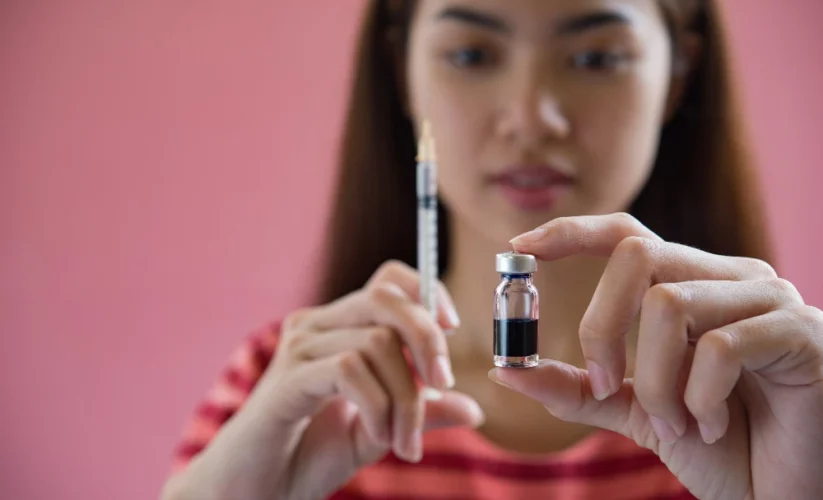
What Is Ketamine Therapy refers to the medical use of low doses of ketamine — a drug initially developed as an anesthetic to treat mental health conditions like depression, anxiety, and PTSD. Unlike traditional antidepressants that may take weeks to show results, Ketamine acts rapidly by targeting glutamate, a brain neurotransmitter linked to mood and memory.
Today, Ketamine Therapy in Mumbai is administered under strict medical supervision by mental health experts, including an experienced Psychiatrist in Mumbai. The treatment can be given through different routes such as intravenous (IV) infusions, nasal sprays, or injections, depending on the patient’s specific condition and response.
How Ketamine Therapy Works
Ketamine works differently from standard antidepressants. Instead of targeting serotonin or dopamine, it influences the brain’s glutamate system. Glutamate helps build new neural connections and strengthens brain pathways that are weakened by depression or trauma.
Here’s how Ketamine Therapy benefits mental health:
Mechanism | Effect on Brain | Result |
Glutamate activation | Stimulates new neuron growth | Improved mood and thinking clarity |
AMPA receptor activation | Increases synaptic connections | Enhanced communication between brain cells |
Anti-inflammatory effect | Reduces brain inflammation | Stabilizes mood and cognitive function |
Neuroplasticity boost | Repairs damaged neural pathways | Long-term mood improvement |
This unique action makes Ketamine Therapy effective for patients who haven’t responded to conventional antidepressants.
Conditions Treated with Ketamine Therapy
Ketamine Therapy is not limited to depression; it has shown promise for several psychiatric and pain-related disorders.
- Major Depressive Disorder (MDD)
Patients with severe depression often find relief after just a few sessions of Ketamine Therapy in Mumbai, especially those who did not respond to SSRIs or SNRIs. - Bipolar Depression
While antidepressants may sometimes worsen bipolar symptoms, ketamine has been shown to lift depressive episodes without inducing mania. - Anxiety and PTSD
Ketamine helps reduce intrusive thoughts, fear, and hyperarousal symptoms, offering relief for those with chronic anxiety and post-traumatic stress disorder. - Obsessive-Compulsive Disorder (OCD)
By altering brain connectivity patterns, Ketamine can reduce obsessive thoughts and compulsive behaviors. - Chronic Pain Syndromes
Low-dose Ketamine infusions can also relieve conditions such as fibromyalgia and neuropathic pain.
Types of Ketamine Therapy
Ketamine Therapy is available in various forms based on dosage, administration route, and patient needs:
Type | Method of Administration | Typical Use |
IV Infusion | Directly into bloodstream | Fast and controlled delivery |
Intranasal Spray | Through nasal cavity | Convenient and non-invasive |
Intramuscular Injection | Into muscle tissue | Moderate duration of effect |
Oral Tablets (off-label) | Taken orally | Used for maintenance therapy |
Your Psychiatrist in Mumbai will recommend the best form after evaluating your mental health history and treatment response.
Benefits of Ketamine Therapy
Ketamine Therapy has revolutionized the treatment of resistant depression and other psychiatric conditions due to its rapid and long-lasting benefits.
1. Rapid Symptom Relief
Patients often report noticeable improvement in mood and energy within hours to days unlike traditional antidepressants, which may take weeks.
2. Restores Brain Plasticity
It helps rebuild and strengthen neural pathways, supporting long-term emotional stability.
3. Effective for Treatment-Resistant Depression
For those who have tried multiple antidepressants without success, Ketamine offers a new lifeline.
4. Reduced Suicidal Thoughts
Studies show Ketamine can reduce suicidal ideation quickly, offering a critical intervention for patients in crisis.
5. Enhanced Emotional Resilience
Regular sessions, combined with psychotherapy, help patients manage triggers and maintain mental balance.
6. Helps Overcome Addiction
Recent studies suggest that Ketamine Therapy can also assist individuals struggling with addiction, including alcohol, nicotine, and certain drug dependencies. Ketamine helps by reducing cravings, interrupting harmful behavioral patterns, and supporting the brain’s ability to form new, healthier neural pathways. When combined with psychotherapy, it can help patients gain better control over addictive behaviors and improve long-term recovery outcomes.
What to Expect During a Ketamine Therapy Session
Before starting Ketamine Therapy in Mumbai, a comprehensive evaluation is done by a Psychiatrist in Mumbai to ensure you’re a suitable candidate.
During the session:
- You’ll be seated or reclined in a comfortable chair.
- A small IV line is inserted (for infusion therapy).
- The procedure usually lasts 40–60 minutes.
- Medical staff monitor your heart rate, blood pressure, and oxygen levels throughout.
After the session:
- You may feel relaxed or mildly disoriented for a short while.
- A family member or friend should accompany you home.
- Most patients resume normal activities within 24 hours.
Possible Side Effects of Ketamine Therapy
Ketamine is generally safe when administered by trained professionals. However, some temporary side effects may occur:
Common Side Effects | Rare Side Effects |
Dizziness or lightheadedness | Visual disturbances |
Nausea or vomiting | Short-term dissociation |
Fatigue | Increased blood pressure |
Mild confusion | Vivid dreams |
These side effects are short-lived and usually fade within hours of the session.
Who Should Avoid Ketamine Therapy
While Ketamine Therapy can be highly beneficial, it may not be suitable for everyone. Avoid or discuss alternative options if you have:
- Uncontrolled high blood pressure
- History of psychosis
- Severe heart disease
- Active substance abuse
- Pregnancy or breastfeeding
Your Psychiatrist in Mumbai will evaluate all medical conditions before recommending treatment.
Why Choose Ketamine Therapy in Mumbai
Choosing Ketamine Therapy in Mumbai offers several advantages:
- Access to experienced psychiatrists and advanced facilities
- Personalized treatment plans based on your condition
- Safe, sterile, and monitored medical environments
- Combined support through psychotherapy and follow-up care
Mumbai’s mental health professionals are increasingly adopting Ketamine-based approaches, helping patients achieve meaningful, long-term recovery.
Long-Term Results and Aftercare
While the immediate effects of Ketamine can last days to weeks, long-term success depends on ongoing therapy and lifestyle adjustments.
Post-treatment recommendations include:
- Continuing talk therapy or counseling
- Maintaining healthy sleep, exercise, and nutrition routines
- Avoiding alcohol or recreational drugs
- Regular follow-up sessions with your psychiatrist
When integrated with other treatment methods, Ketamine Therapy can significantly enhance mood stability and quality of life.
Conclusion
What Is Ketamine Therapy is more than just a modern mental health buzzword it represents a scientifically proven approach to treating depression, anxiety, PTSD, and chronic pain. With the guidance of an expert Psychiatrist in Mumbai, patients can safely experience its transformative benefits.
If you’re struggling with persistent depressive symptoms or emotional distress, Ketamine Therapy in Mumbai could be a valuable and effective treatment option for your recovery journey.